Sculptural Precedent
The influence of classical forms in the artist's work.
My study focused on two colossal effigies of the Emperor Constantine. The first is from the famous Colossus of Constantine, whose remains are preserved today in the Capitoline Museums in Rome. While the fragments that have survived were carved in white marble, the original body was a composite brick and wood structure, probably covered in gold leaf before being looted later.
These remains include two separate right hands; according to current research, the statue was reworked toward the end of Constantine's reign, replacing a scepter with a Christian attribute.7 The head, nearly two and a half meters high, seems to transcend the human condition: its oversized eyes, looking toward eternity, contrast with the conventional stiffness of the features, highlighting the sovereign's quasi-metaphysical nature.
The second head, also in marble, belongs to the collections of The Metropolitan Museum of Art in New York. Probably originating from Rome, it demonstrates a different stylistic intention.
In undertaking my own sculptural reinterpretation of these works, I observed a singular metamorphosis: the imperial figure gradually took on the features of my father. Although he passed away in 2017, I feel I have breathed a part of his nobility and permanence into this creation.
7 Wikipedia contributors (July 21, 2022). Colossus of Constantine. In Wikipedia, The Free Encyclopedia. Retrieved July 24, 2022.
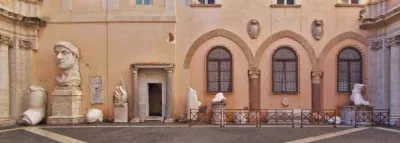
Colossus of Constantine (circa 313–324)
Colossal marble head. Capitoline Museums, Rome.
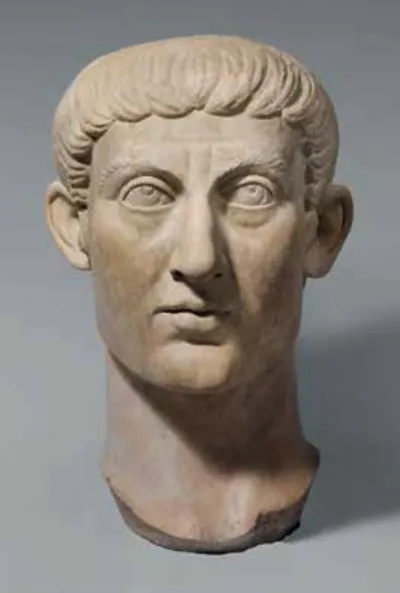
Portrait head of the Emperor Constantine (circa 325–370)
The Metropolitan Museum of Art, New York.